
Cinematic and photorealistic portrait prompts
A cinematic portrait starts with a person in a scene, rather than a long list of quality adjectives. These examples explore film-inspired atmosphere, street settings and softer indoor light. Read the original prompts, then adapt the subject and visual direction to your own idea.
How to adapt these prompts
Start with the subject and scene
Describe the pose, expression, clothing and environment. Keep the description focused so the scene and the subject support the same visual idea.
Give the lighting a direction
Specify where the light comes from and how it affects the face. Try window light, street lighting or a backlit scene, then compare the mood rather than adding conflicting lighting instructions.
Refine photographic details
Use framing, depth of field, color and grain to guide the look. Camera references describe a visual style; they do not mean the image was captured with a real camera. Reference images and editing depend on the selected model.
Real examples and complete prompts
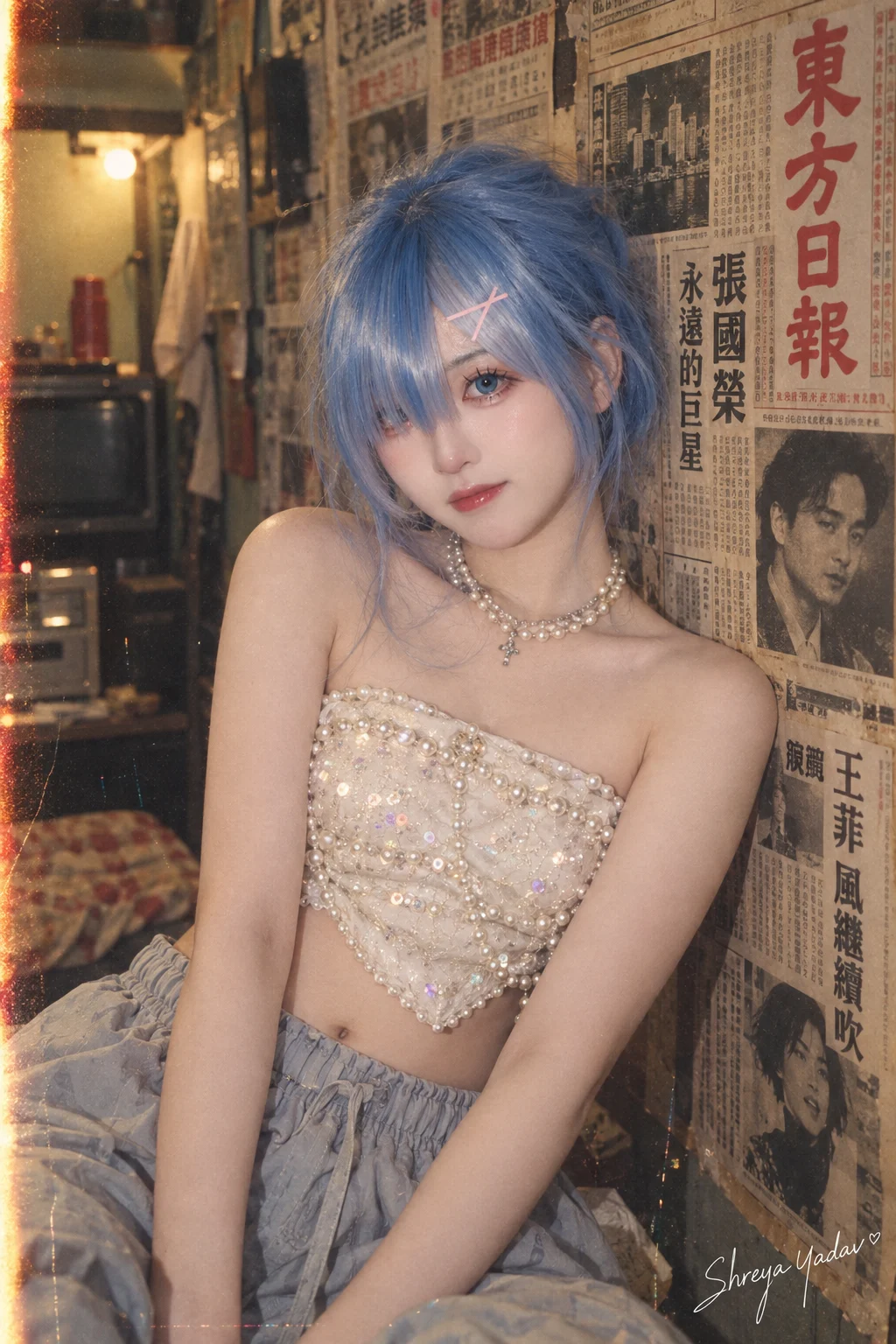
1990s Hong Kong Cinema Portrait
A portrait inspired by 1990s Hong Kong cinema. Read how the original prompt establishes a film-inspired atmosphere and its relationship to the subject.
Camera Create a realistic half-body portrait with a 1990s film-cinema feel. Keep the subject sharply focused and soften the background slightly. Use a natural, candid composition with the texture of a vintage film still. Scene A narrow Hong Kong room with walls covered in yellowed old Cantonese newspapers, showing natural creases and age. Keep the setting close and nostalgic while ensuring the subject remains clearly visible, evoking 1990s Hong Kong street and interior culture. Subject Use image 0 as the sole facial identity reference. Preserve the original person's identity, face shape, features, and proportions without reshaping the face. A woman leans against the newspaper-covered wall. Her hair is slightly messy, with a few loose strands falling naturally across her cheeks. Her makeup is refined, her lips glossy, and her skin dewy while retaining natural texture. She wears a cropped strapless top decorated with pearls and sequins, paired with loose high-waisted elastic-waist trousers in a distinctly 1990s street style. Action Frame her from the waist or chest upward as she leans against the newspaper wall. She looks toward or just beside the camera with a soft, melancholy gaze. Keep the pose relaxed and unforced. Add the exact handwritten signature “Shreya Yadav” in one corner; do not add any other new text. Lighting / Color Use soft cinematic indoor lighting with a slight warm cast and natural shadows. Keep colors gently faded and low-saturation, with fine film grain and the soft contrast of 1990s cinema. Pearls and sequins catch restrained highlights; preserve realistic skin tone and newspaper texture. Negative Prompt Identity drift, altered face shape or facial proportions from image 0, reshaped face, excessive smoothing, plastic-looking skin, modern digital-ad aesthetic, oversharpening, strong saturation, pristine newspaper wall, newly generated readable newspaper headlines, incorrect garment construction, exaggerated pose, garbled text, misspelled signature, extra text, watermark, logo.
Recorded model: gpt-image-2.5
Composition and adaptation
Describe a half-body portrait with the mood and surface texture of a 1990s cinema still.
- A half-body crop establishes how much gesture and environment can fit in the scene.
- A sharply described person and softened background give the image a focal hierarchy.
- Film texture is a finishing direction; it cannot replace a coherent pose, lighting direction and setting.
How to adapt it: Keep the scene and crop first. Adjust one element such as color temperature or the background location, and compare whether the face remains the focal point.
What to inspect: Inspect facial features, clothing edges and background continuity. A cinematic style label does not identify a real camera or prove the likeness matches a reference.
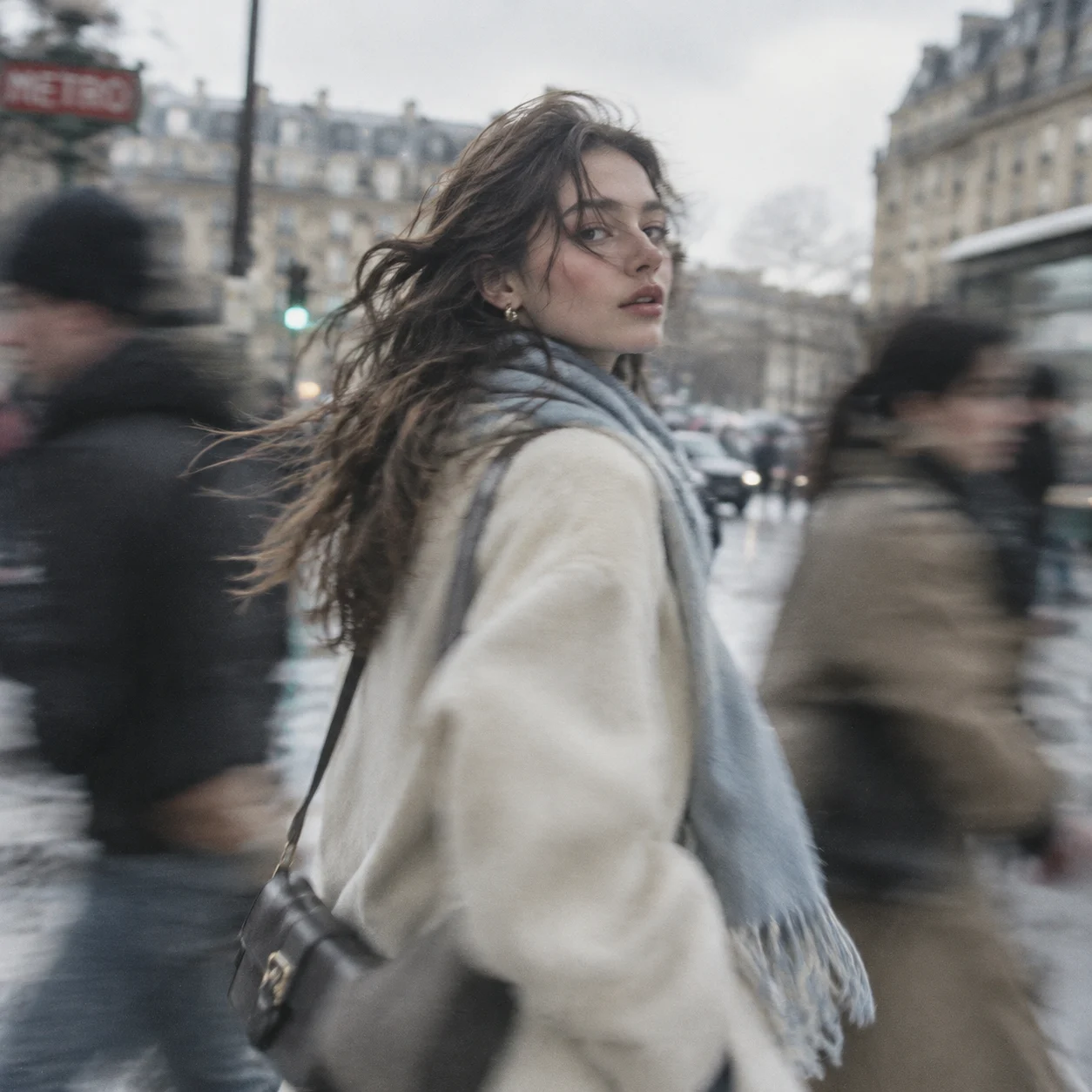
Cinematic Street Portrait in a City Crowd
A cinematic street portrait set in a city crowd. Study how the prompt separates the main subject from a more active surrounding scene.
Camera Cinematic street-fashion photography, one single vertical candid frame. Use shallow depth of field to keep a young woman as the sharp subject while passersby moving quickly around her create soft motion blur. Capture an unposed instant with natural composition and fashion-editorial quality. Scene An everyday urban street with a believable city environment and people in motion. Keep the setting recognizable but unobtrusive, using soft background blur to create depth. Subject One young woman as the only sharply defined subject, wearing modern, fashionable city clothing. Keep her appearance and skin texture natural. Do not invent specific brands or unspecified outfit details. Action Capture her walking or moving naturally through the city. Her step, clothing, or hair may show a subtle sense of movement. Let the surrounding pedestrians have more noticeable but gentle motion blur, contrasting the sharp subject with the flowing city. Lighting / Color Soft, even overcast daylight with no harsh shadows. Use a low-saturation pastel palette and gentle film-inspired color, with soft contrast and an authentic street atmosphere. Negative Prompt Studio look, stiff posed portrait, every person frozen sharply, main subject heavily blurred, excessive motion blur, harsh flash, hard shadows, highly saturated neon colors, oversharpening, plastic-looking skin, cartoon style, cluttered composition, text, watermark, brand logo.
Recorded model: gpt-image-2.5
Composition and adaptation
Separate one street-portrait subject from a moving city crowd using focus and motion.
- The single vertical frame makes the subject’s position and surrounding crowd part of one composition.
- Shallow depth of field describes separation in focus; motion blur describes movement and serves a different purpose.
- Keeping the subject clear while people move around them gives the image a visual anchor.
How to adapt it: Choose one city setting and one crowd direction. Preserve subject placement, then test background activity or lighting independently.
What to inspect: Inspect overlap between bodies, hands and faces, and the direction of motion. Blur should support the scene rather than hide broken anatomy.
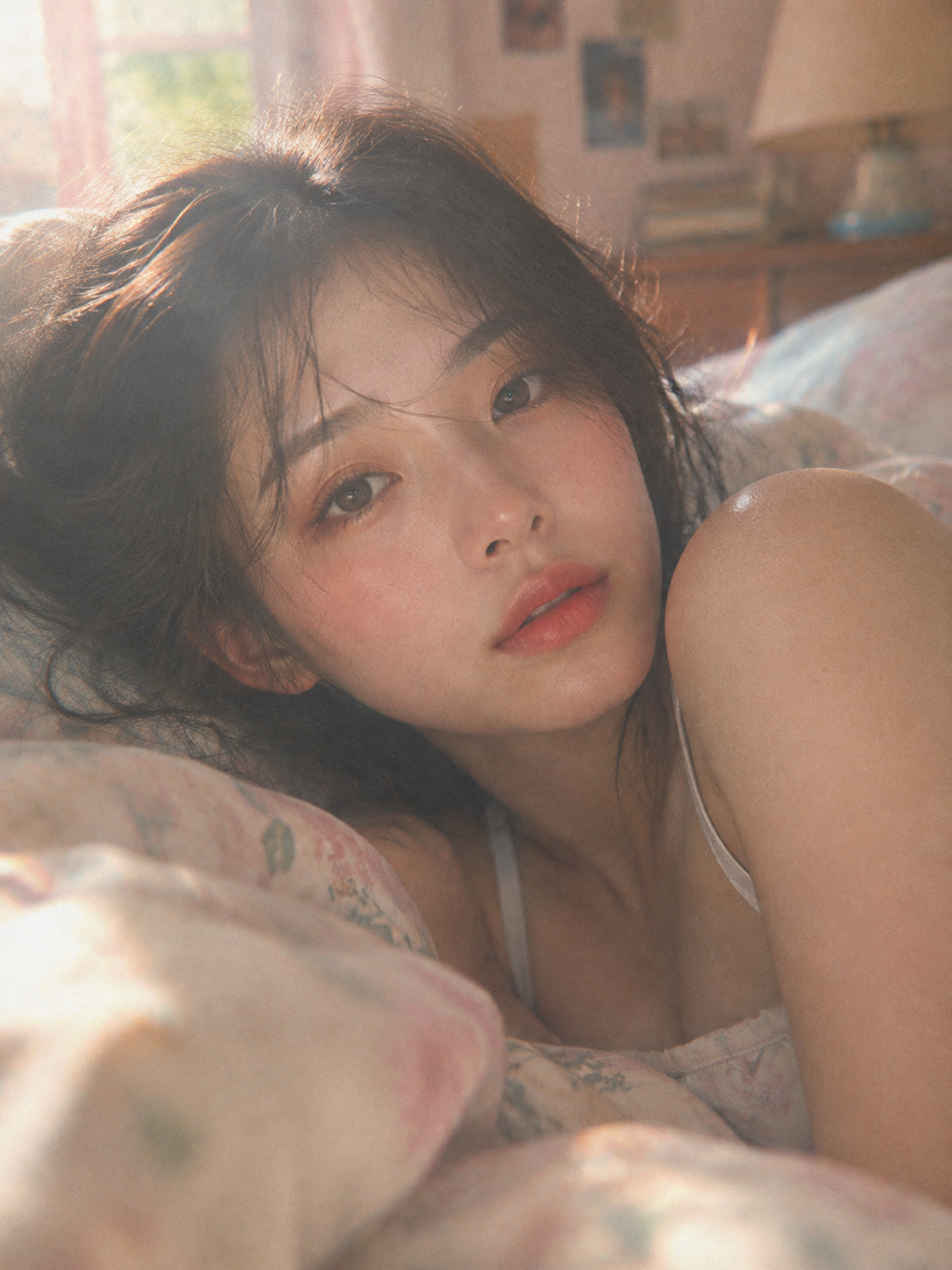
Warm Film Bedroom Portrait
A warm, film-inspired bedroom portrait. Compare its indoor mood and softer visual treatment with the street examples.
Camera Create a dreamy, intimate, photorealistic portrait with a 35mm film aesthetic. Use shallow depth of field and gentle optical softness while keeping the woman's face and skin texture clearly visible. Keep the composition natural and restrained, like a private, poetic fashion-editorial photograph. Scene A warm, cozy bedroom. The woman is lying beneath a soft blanket. Keep the background simple, gentle, and naturally out of focus, creating a quiet and restful interior mood. Subject A beautiful, photorealistic Asian woman with natural makeup and slightly tousled hair. Preserve fine, realistic skin texture and a natural glow. The blanket drapes softly over her body; keep the image tender and understated without emphasizing her body. Action She rests comfortably beneath the blanket in a relaxed, natural pose, as if captured during a quiet moment. Her expression is calm, intimate, and subtly dreamlike, without exaggerated posing. Lighting / Color Soft natural light falls into the bedroom, creating realistic, delicate shadows on her face and the blanket. Use a warm, soft pastel palette, fine 35mm film grain, and a subtle hazy quality. Aim for poetic, intimate, dreamy fashion-editorial photography. Avoid excessive retouching and keep skin texture visible. Negative Prompt Direct imitation of a specific photographer or artwork, plastic-looking skin, excessive smoothing, heavy makeup, overly styled hair, excessive soft focus that blurs the face, harsh hard light, oversaturated colors, cold clinical tones, stiff posing, deliberately revealing presentation, cluttered background, cartoon, illustration, CGI, text, watermark.
Recorded model: gpt-image-2.5
Composition and adaptation
Build a warm indoor portrait with gentle optical softness while keeping the face readable.
- The indoor setting limits background activity, letting light and expression carry the mood.
- Shallow depth of field and a film-like surface describe style without requiring facial detail to disappear.
- Warm light should have a coherent direction so skin, clothing and surroundings belong to the same scene.
How to adapt it: Keep the pose and crop, then compare a softer window light or a more neutral color temperature as separate edits. Describe what should remain visible.
What to inspect: Inspect facial texture, hands and transitions between the person and soft background. This is a prompt-study example, not a guaranteed identity-preserving edit.
Explore more prompts
AI product photography and advertising prompts
Browse all examples